John Adams and the Fear of American Oligarchy by Luke Mayville
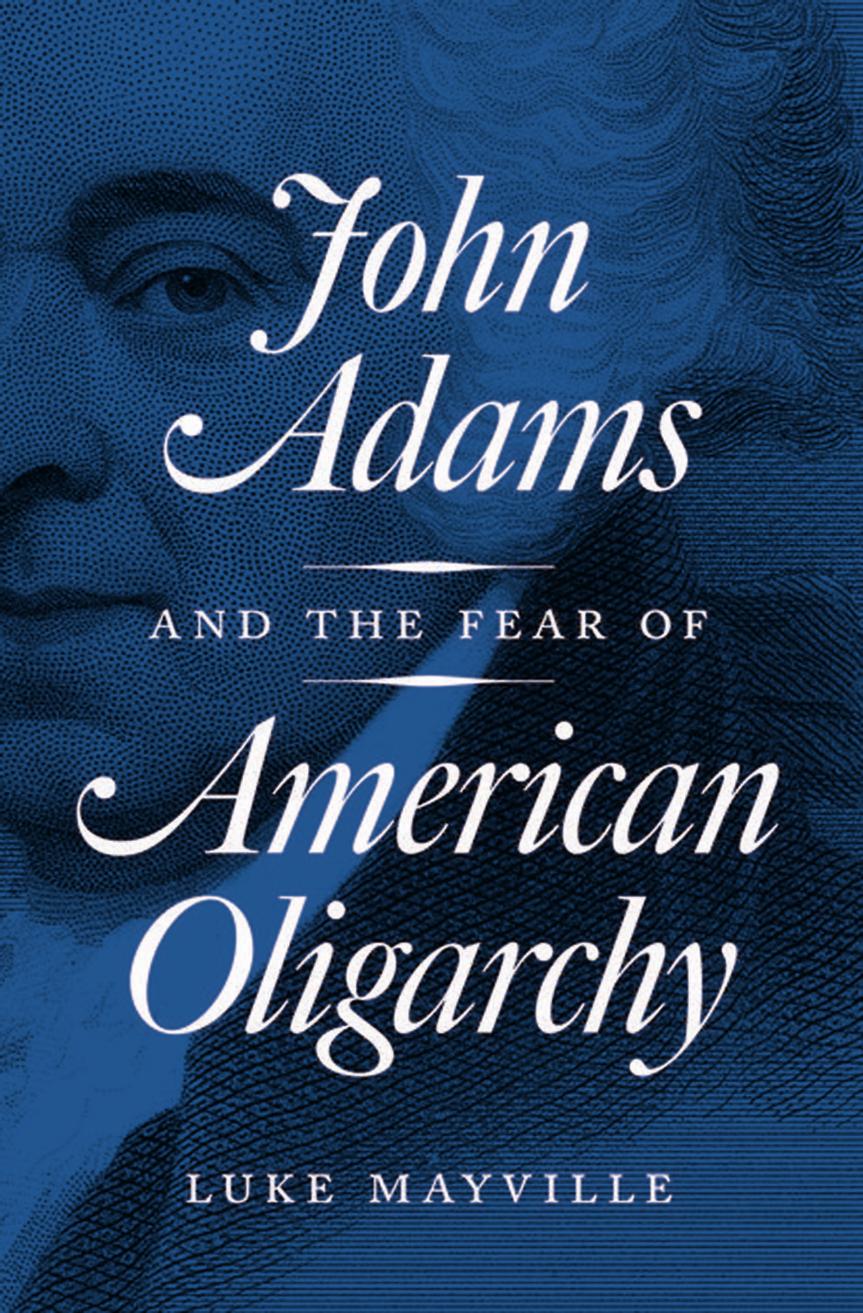
Author:Luke Mayville
Language: eng
Format: epub, pdf
Publisher: Princeton University Press
Published: 2016-05-28T04:00:00+00:00
WEALTH AND DISTINCTION IN AMERICA
John Adams shared with Adam Smith the view that human beings are universally moved by “the passion for distinction,” a desire “to be observed, considered, esteemed, praised, beloved, and admired” by others. Adams insisted that every human being, “whether they be old or young, rich or poor, high or low, wise or foolish, ignorant or learned … is seen to be strongly actuated by a desire to be seen, heard, talked of, approved and respected, by the people about him, and within his knowledge.” And just as we long for the consideration of others, we abhor being neglected or overlooked, especially when the consideration denied us is given to another. “In proportion to our affection for the notice of others,” wrote Adams, “is our aversion to their neglect.” And in proportion to a man’s desire to surpass his fellows in the consideration paid him, “he feels a keener affliction when he sees that one or more of them, are more respected than himself.”27
To put Adams’s view in more contemporary terms, it is not utilitarian pleasure-seeking or a Nietzschean will to dominate that most often motivates us, but something closer to what Martin Luther King Jr. called “the drum major instinct,” a desire “to be out front … to lead the parade … to be first.”28 According to Adams, the desire for distinction was a longing endowed in man by nature in order to entice human beings to social virtue. Because mere benevolence, “affection for the good of others,” was not sufficient to counter selfishness, it was necessary to sanction mankind with rewards and punishments capable of spurring men “to constant exertions of beneficence.” Anticipating the rewards of esteem and admiration, and seeking to avoid the punishments of neglect and contempt, men might “produce something which shall contribute to the comfort, convenience, pleasure, profit, or utility of some or other of the species.” They might be made, “by their own vanity, slaves to mankind.”29
Yet, if the natural function of emulation was to spur men to beneficence, it was not just in good works that the passion was manifest. Ambition, jealousy, envy, and vanity were all modifications of the same desire for distinction. And while that desire could be regulated and directed toward such beneficial ends as the strengthening of moral and intellectual qualities or the pursuit of various honors and public offices, Adams believed that the vast majority viewed wealth and other goods of fortune as the surest signs of distinction.30 It was true that there were small numbers for whom the passion for distinction was “refined by the purest moral sentiments” and who sought admiration and esteem through heroic virtue. It was likewise true that there were some who sought consideration by crimes and vices. But most people sought distinction “neither by vices nor virtues; but by the means which common sense and every day’s experience show, are most sure to obtain it; by riches, by family records, by play, and other frivolous personal accomplishments.”31 Indeed,
Download
John Adams and the Fear of American Oligarchy by Luke Mayville.pdf
This site does not store any files on its server. We only index and link to content provided by other sites. Please contact the content providers to delete copyright contents if any and email us, we'll remove relevant links or contents immediately.
| Anthropology | Archaeology |
| Philosophy | Politics & Government |
| Social Sciences | Sociology |
| Women's Studies |
The Secret History by Donna Tartt(19088)
The Social Justice Warrior Handbook by Lisa De Pasquale(12190)
Thirteen Reasons Why by Jay Asher(8910)
This Is How You Lose Her by Junot Diaz(6887)
Weapons of Math Destruction by Cathy O'Neil(6280)
Zero to One by Peter Thiel(5802)
Beartown by Fredrik Backman(5754)
The Myth of the Strong Leader by Archie Brown(5507)
The Fire Next Time by James Baldwin(5445)
How Democracies Die by Steven Levitsky & Daniel Ziblatt(5218)
Promise Me, Dad by Joe Biden(5153)
Stone's Rules by Roger Stone(5088)
A Higher Loyalty: Truth, Lies, and Leadership by James Comey(4964)
100 Deadly Skills by Clint Emerson(4925)
Rise and Kill First by Ronen Bergman(4789)
Secrecy World by Jake Bernstein(4753)
The David Icke Guide to the Global Conspiracy (and how to end it) by David Icke(4719)
The Farm by Tom Rob Smith(4511)
The Doomsday Machine by Daniel Ellsberg(4490)
